
by Laura K. Secor
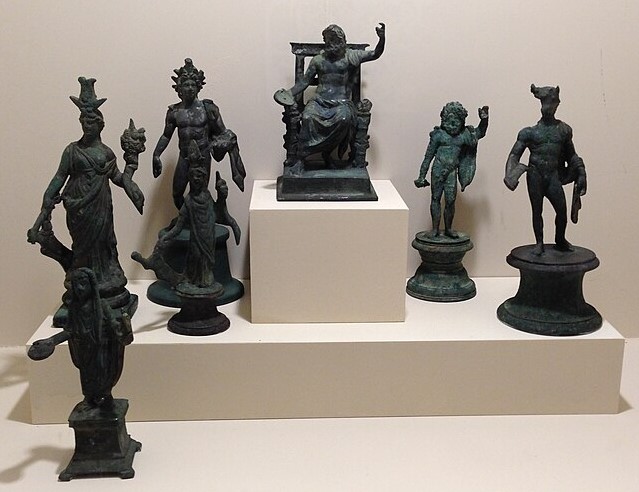
licensed under the CCA2.0 Generic License
Hello my UU friends,
Welcome back for the new church season. Fall came quickly this year. I remember when I was young, fall always arrived right at Labor Day weekend. In the last couple decades, summer extended into September, and then in recent years, even into October. It was weird, but very pleasant. Not this year! Back to the old Labor Day weekend schedule! The crisp cool days paired with the still-green leaves and the remnants of long hours of daylight is refreshing. Some people see fall as a fresh start, especially if they are starting a new academic year, new classes, new textbooks, sharpening new pencils for inviting blank composition books… Other people see increasing darkness as a time to pull out the warm clothes, light a few candles and cozy into a time of self-reflection.
I think Jack Gilbert falls into the self-reflective camp. His poems meditate on the fragility of life and love, and although the themes are universal, his reflections are always grounded in his most intimate experiences. He writes often about his love for his wife Michiko, a former student, much younger than he, who died very young of cancer. Although he had other lovers, and other wives, she is the closest companion of his heart.
In this poem, the gods come to his table and ask him to reflect on his life. He journeys from youth through the ages of love to the fear and anticipation of the final stage. The gods ask open-ended questions, but his answers stick close to his personal themes. If the gods asked me, I would certainly find myself reflecting on the loves of my life, but also the places I’ve lived and the places I’ve traveled to. I have been thinking recently about the environment, and our changing planet, and all the destinations I might never reach.
I also think about the people I haven’t yet met, and may never meet. I think of people on the other side of the world, or even the masses at airport terminals, people similar in background to me, strangers passing in the night.
I ask you to imagine, if the gods came to your supper table, how would you answer them?
BRING IN THE GODS
By Jack Gilbert
Bring in the gods I say, and he goes out. When he comes
back and I know they are with him, I say, Put tables in front
of them so they may be seated, and food upon the tables
so they may eat. When they have eaten, I ask which of them
will question me. Let him hold up his hand, I say.
The one on the left raises his hand and I tell him to ask.
Where are you now, he says. I stand on top of myself, I hear
myself answer. I stand on myself like a hilltop and my life
is spread before me. Does it surprise you, he asks. I explain
that in our youth and for a long time after our youth we cannot
see our lives. Because we are inside of that. Because we can
see no shape to it since we have nothing to compare it to.
We have not seen it grow and change because we are too close.
We don’t know the names of things that would bind them to us,
so we cannot feed on them. One near the middle asks why not.
Because we don’t have the knack for eating what we are living.
Why is that? she asks. Because we are too much in a hurry.
Where are you now? the one on the left says. With the ghosts.
I am with Gianna those two years in Perugia. Meeting secretly
in the thirteenth-century alleys of stone. Walking in the fields
through the spring light, she well dressed and walking in heels
over the plowed land. We are just outside the city walls
hidden under the thorny blackberry bushes and her breasts naked.
I am with her those many twilights in the olive orchards,
holding the heart of her as she whimpers. Now where are you?
he says. I am with Linda those years and years. In American
cities, in København, on Greek islands season after season.
Lindos and Monolithos and the other places. I am with Michiko
for eleven years, East and West, holding her clear in my mind
the way a native can hold all of his village at one moment.
Where are you now? he says. I am standing on myself the way
a bird sits in her nest, with the babies half asleep underneath
and the world all leaves and morning air. What do you want?
a blonde one asks. To keep what I already have, I say. You ask
too much, he says sternly. Then you are at peace, she says.
I am not at peace, I tell her. I want to fail. I am hungry
for what I am becoming. What will you do? she asks. I will
continue north, carrying the past in my arms, flying into winter.